Stunning Loropetalum Companion Plants
Loropetalums are beautiful evergreen shrubs that are known for their showy flowers and colorful foliage. They are relatively easy to care for and can thrive in a variety of conditions. However, choosing the right companion plants for your loropetalums can help to enhance their beauty and make your garden even more stunning.
In this blog post, we will discuss some of the best companion plants for loropetalums. We will cover a variety of factors to consider when choosing companion plants, such as plant size, color, and complementary growth habits. We will also provide some specific plant recommendations for different types of gardens.
So, whether you are looking to add some color to your garden or create a more interesting landscape, read on for our guide to the best loropetalum companion plants.
Choosing Companion Plants for Loropetalum
There are a few things to keep in mind when choosing companion plants for your loropetalums. First, consider the size of your loropetalums. If you have large loropetalums, you will need to choose companion plants that are also large. Conversely, if you have small loropetalums, you can choose smaller companion plants.
Second, consider the color of your loropetalums. If you have loropetalums with purple flowers, you can choose companion plants with complementary colors, such as yellow, white, or blue. If you have loropetalums with white flowers, you can choose companion plants with contrasting colors, such as purple, red, or orange.
Finally, consider the growth habits of your loropetalums. If your loropetalums are spreading shrubs, you will need to choose companion plants that are also spreading. Conversely, if your loropetalums are upright shrubs, you can choose companion plants that are also upright.
Specific Plant Recommendations
Here are some specific plant recommendations for different types of gardens:
- For small gardens: If you have a small garden, you can choose smaller loropetalums, such as the 'Little Princess' variety. You can also choose smaller companion plants, such as abelia, boxwood, or camelia.
- For large gardens: If you have a large garden, you can choose larger loropetalums, such as the 'Purple Diamond' variety. You can also choose larger companion plants, such as azalea, hydrangea, or rhododendron.
- For sun gardens: If you have a sunny garden, you can choose loropetalums that prefer full sun, such as the 'Purple Robe' variety. You can also choose companion plants that prefer full sun, such as lavender, rosemary, or thyme.
- For shade gardens: If you have a shady garden, you can choose loropetalums that prefer partial shade, such as the 'Pink Pearl' variety. You can also choose companion plants that prefer partial shade, such as hosta, impatiens, or ferns.
Conclusion
Choosing the right companion plants for your loropetalums can help to enhance their beauty and make your garden even more stunning. By considering the size, color, and growth habits of your loropetalums, you can find the perfect companion plants to complement their beauty.
With a little planning, you can create a stunning garden that will be the envy of all your neighbors.
Loropetalum is a beautiful evergreen shrub that can add color and interest to any landscape. But what plants can you pair with loropetalum to create a truly stunning display?
There are many different companion plants that can work well with loropetalum. Some popular choices include:
- Nandina: This vibrant evergreen shrub has bright green foliage that contrasts beautifully with the purple leaves of loropetalum.
- Ligustrum: This fast-growing shrub is available in a variety of colors, including green, yellow, and purple. It can be used to create a hedge or to add vertical interest to a garden.
- Elderberry: This deciduous shrub blooms in the spring with fragrant white flowers that give way to dark purple berries in the fall. It is a great choice for attracting pollinators to your garden.
- Ornamental grasses: These grasses add texture and movement to a garden. They can be used to soften the edges of a loropetalum planting or to create a focal point.
For more information about loropetalum companion plants, I recommend visiting Gardenia Inspiration. This website has a comprehensive list of plants that can be paired with loropetalum, as well as tips on how to create a beautiful and harmonious landscape.
FAQ of loropetalum companion plants
Q: What are some good companion plants for loropetalum?
A: Loropetalum is a versatile shrub that can be grown in a variety of settings, so there are many different companion plants that can work well with it. Some good options include:
- Other flowering shrubs, such as hydrangeas, camellias, and azaleas
- Evergreen trees, such as pines, spruces, and hemlocks
- Perennials, such as hostas, ferns, and lilies
- Groundcovers, such as vinca, pachysandra, and creeping phlox
When choosing companion plants, it is important to consider the size, growth rate, and light requirements of the loropetalum as well as the other plants. For example, if you are planting a loropetalum as a hedge, you will need to choose other shrubs that are the same size and have similar growth rates. You will also need to make sure that all of the plants in your garden receive the same amount of sunlight.
Q: What are some tips for planting loropetalum with other plants?
A: When planting loropetalum with other plants, there are a few things you can do to ensure that they thrive together. First, make sure that the plants have similar soil pH requirements. Loropetalum prefers slightly acidic soil, so you will need to adjust the pH of the soil if necessary.
Second, plant the loropetalum in a location that receives morning sun and afternoon shade. This will help to prevent the leaves from becoming scorched in the hot afternoon sun.
Third, water the loropetalum regularly, especially during the first year after planting. Loropetalum is a drought-tolerant plant, but it will need more water when it is first planted.
Finally, fertilize the loropetalum in the spring and fall with a balanced fertilizer. This will help to promote healthy growth and flowering.
Q: What are some problems that can occur with loropetalum companion planting?
A: There are a few potential problems that can occur with loropetalum companion planting. One problem is that the loropetalum can become too crowded if it is planted too close to other plants. This can lead to poor air circulation and disease problems.
Another problem is that the loropetalum can be susceptible to pests and diseases, especially if it is planted in an area with poor drainage. If you are concerned about pests and diseases, you can choose companion plants that are resistant to the same pests and diseases as the loropetalum.
Finally, it is important to note that some plants can be toxic to pets and humans. If you have pets or children, you should choose companion plants that are not toxic.
Q: How do I care for loropetalum companion plants?
A: The care requirements for loropetalum companion plants will vary depending on the type of plant. However, some general care tips include:
- Water the plants regularly, especially during hot, dry weather.
- Fertilize the plants in the spring and fall with a balanced fertilizer.
- Prune the plants as needed to maintain their shape and size.
- Protect the plants from pests and diseases.
Q: Where can I find more information about loropetalum companion planting?
A: There are a number of resources available online and in libraries that can provide more information about loropetalum companion planting. Some good resources include:
- The American Rhododendron Society website: https://www.rhododendron.org/
- The Royal Horticultural Society website: https://www.rhs.org.uk/
- The National Gardening Association website: https://www.gardeningknowhow.com/
I hope this FAQ has been helpful! Please let me know if you have any other questions.
Image of loropetalum companion plants
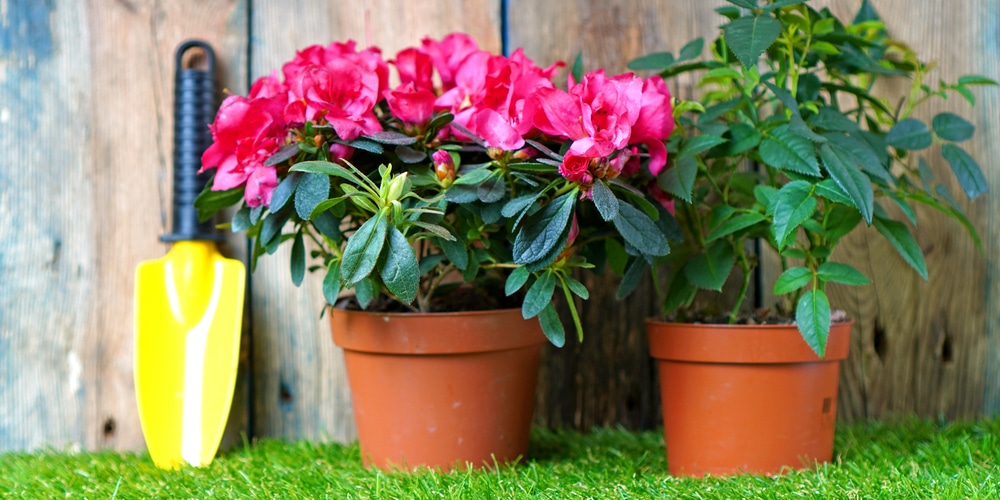
- Azaleas are another flowering shrub that can be planted with loropetalum. They both prefer similar growing conditions, including well-drained soil and partial shade.
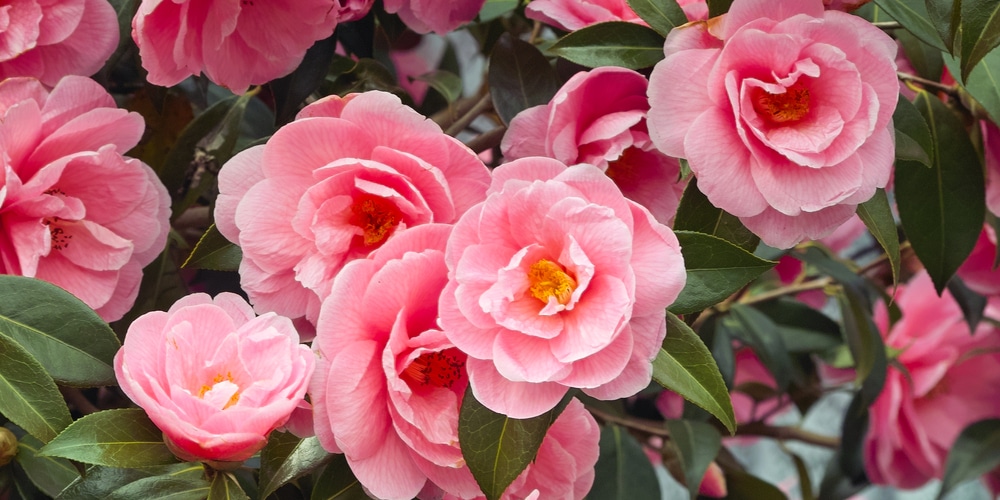
- Camellias are also a good choice for companion plants for loropetalum. They have similar flower colors and bloom at the same time of year.
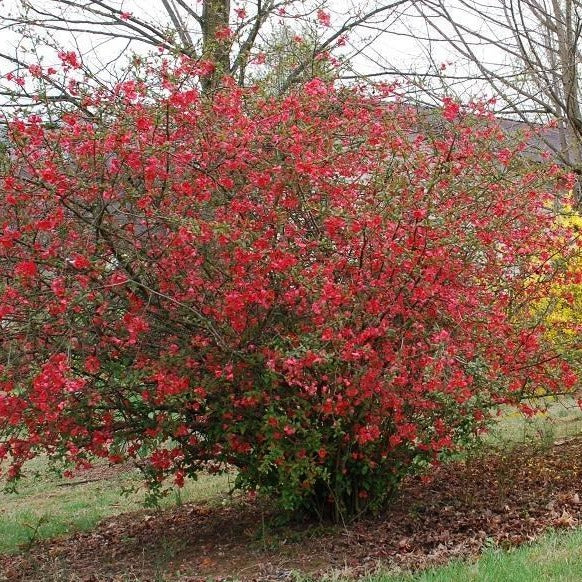
- Flowering quince is a deciduous shrub that blooms in the spring with bright orange or red flowers. It can tolerate more sun than loropetalum, so it is a good choice for planting in a sunny spot.
- Japanese maple is a shade-loving tree that can add interest to a loropetalum planting. The different varieties of Japanese maple have a variety of leaf colors, so you can choose one that will complement the colors of your loropetalum.

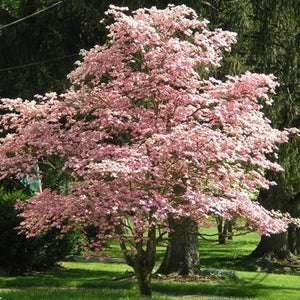
- Variegated dogwood is a deciduous shrub that has white flowers in the spring and colorful leaves in the fall. It is a good choice for planting in a sunny spot with well-drained soil.

Post a Comment for " Stunning Loropetalum Companion Plants"