Plants You Should Never Plant Together
Plants You Should Never Plant Together
When planning your garden, it's important to consider which plants should be planted together and which should be avoided. Some plants can compete for water and nutrients, while others can attract pests or diseases. By planting incompatible plants together, you could end up with a garden that is unhealthy and unproductive.
In this blog post, we will discuss some of the plants that you should never plant together. We will also provide some tips on how to avoid planting incompatible plants in your garden.
Competition for Resources
One of the main reasons why you should avoid planting certain plants together is because they can compete for resources. This includes water, nutrients, and sunlight. If two plants are competing for the same resources, they will both suffer. One plant may grow more slowly or produce fewer flowers or fruits. In severe cases, one plant may even die.
Some of the plants that are most likely to compete for resources include:
- Tomatoes and corn: Both tomatoes and corn are heavy feeders, so they can compete for nutrients in the soil.
- Cucumbers and potatoes: Both cucumbers and potatoes need a lot of water, so they can compete for water resources.
- Broccoli and cabbage: Both broccoli and cabbage are members of the brassica family, which means they have similar nutrient requirements. If planted too close together, they can compete for nutrients and water.
Attracting Pests and Diseases
Some plants can attract pests and diseases that can also harm other plants. For example, tomatoes and eggplants are both susceptible to the same pests, such as tomato hornworms. If you plant these two plants together, the pests will have an easier time finding a meal.
Here are some other examples of plants that attract pests and diseases:
- Peas and beans: These plants attract aphids, which can also harm other plants in the garden.
- Carrots and tomatoes: Both carrots and tomatoes attract the carrot fly, which can damage both plants.
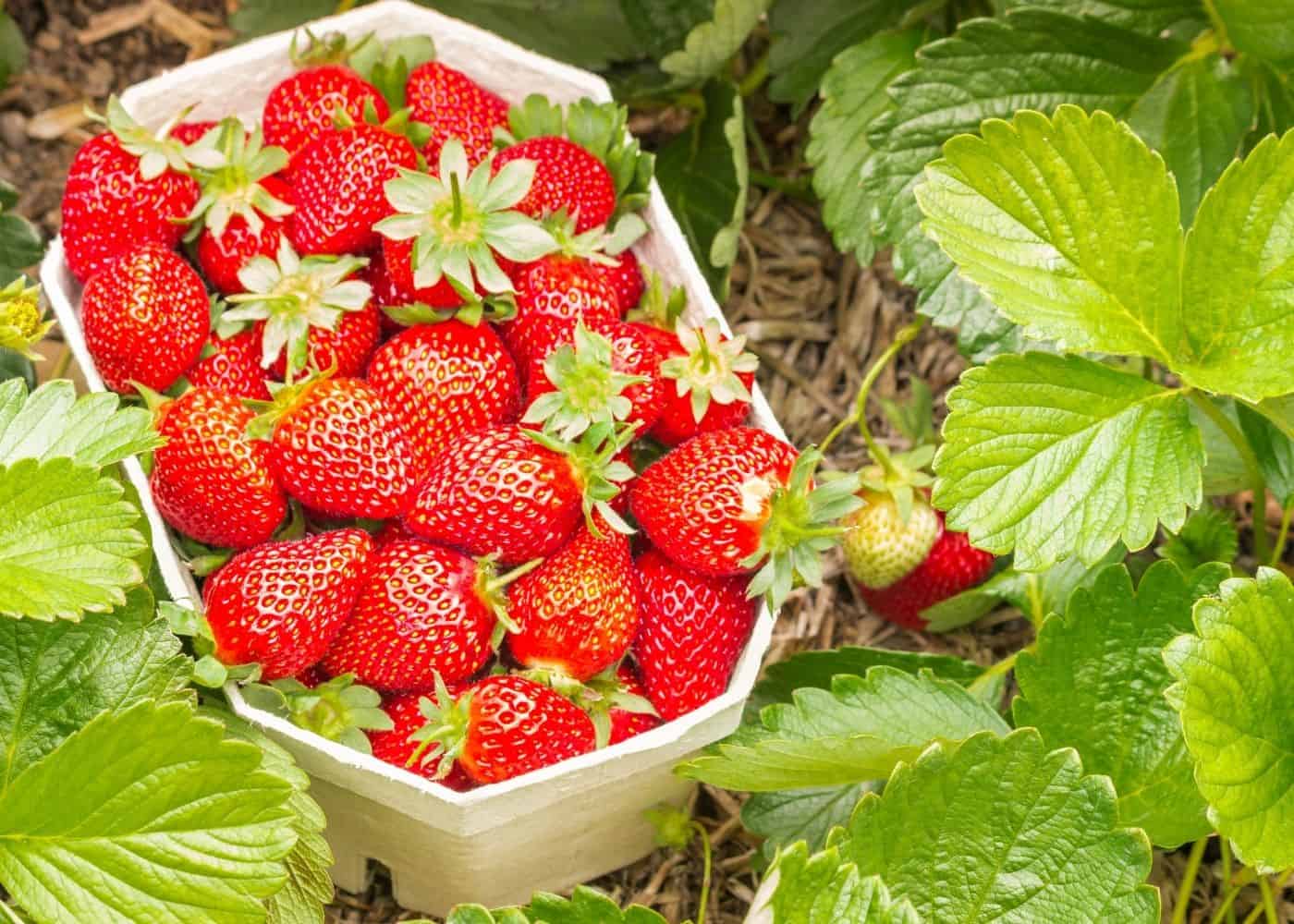
- Strawberries and cabbage: Strawberries attract slugs, which can also harm cabbage plants.
Allelopathy
Allelopathy is a phenomenon where one plant releases chemicals that inhibit the growth of other plants. This can happen even if the two plants are not in direct contact with each other.
Some of the plants that are known to be allelopathic include:
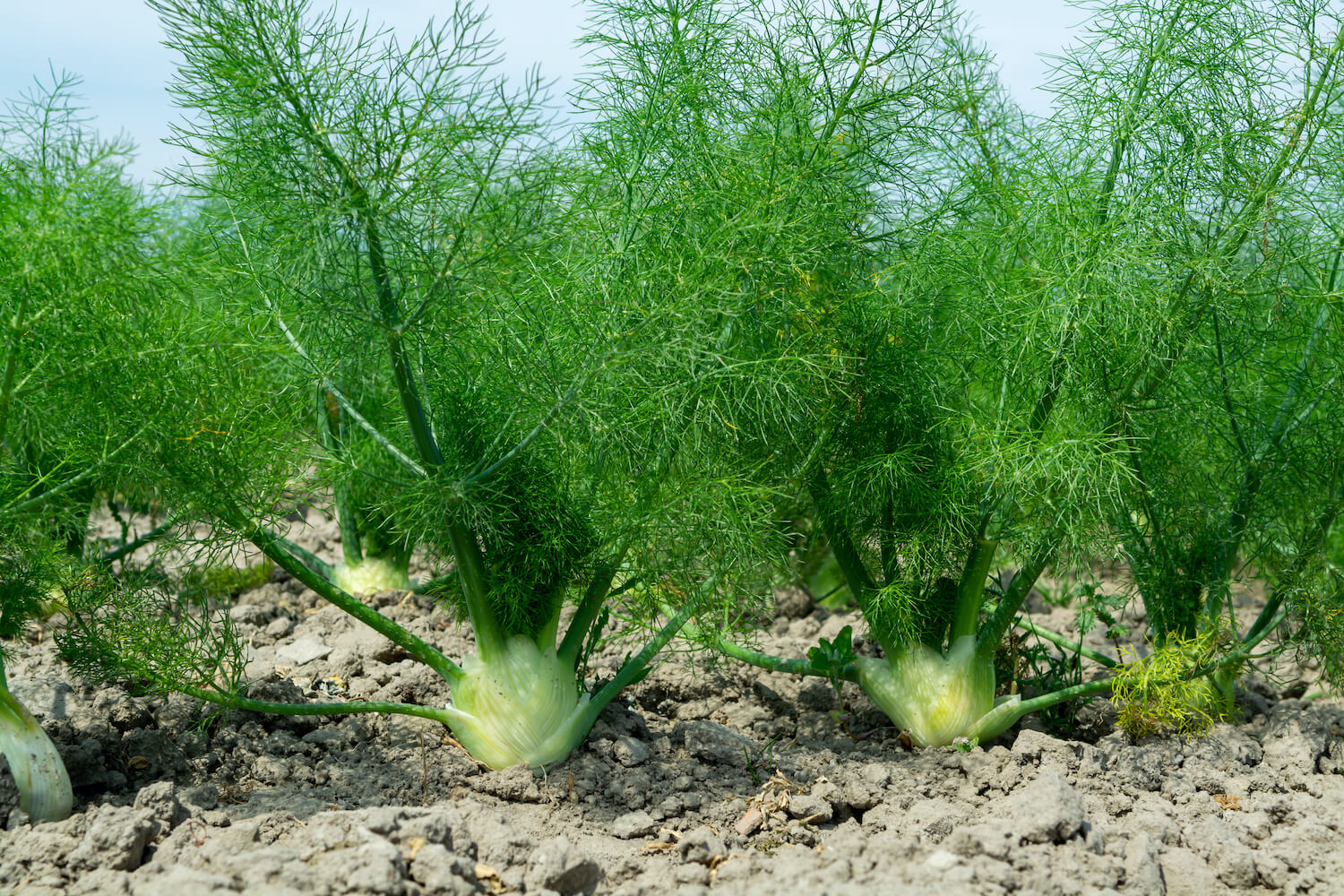
- Fennel: Fennel releases chemicals that can inhibit the growth of other plants, including carrots, tomatoes, and cucumbers.
- Black walnut trees: Black walnut trees release a chemical called juglone, which can inhibit the growth of many other plants.
- Garlic: Garlic releases chemicals that can inhibit the growth of beans and peas.
- Onions: Onions release chemicals that can inhibit the growth of beans and peas.
Tips for Avoiding Incompatible Plants
If you want to avoid planting incompatible plants together, there are a few things you can do. First, do some research before you plant anything. There are many resources available online and in libraries that can help you identify compatible plants.
Second, pay attention to the plants that are already growing in your garden. If you see any plants that are struggling, it's a good idea to avoid planting other plants that have similar needs in the same area.
Finally, be mindful of the spacing between your plants. If you plant them too close together, they will compete for resources and may not thrive.
Conclusion
By following these tips, you can avoid planting incompatible plants together and create a garden that is healthy and productive.
When planning your garden, it's important to consider which plants should be planted together and which ones should be avoided. Some plants can inhibit the growth of others, attract pests or diseases, or simply not get along.
For example, tomatoes and potatoes should not be planted together because they are both susceptible to the same diseases, such as blight. Cabbage and strawberries should also be avoided, as cabbage can stunt the growth of strawberries. And fennel should not be planted near any other plants, as it can release chemicals that inhibit their growth.
If you're not sure which plants can be planted together, a good resource is Garden Wiki. This website has a comprehensive list of compatible and incompatible plants, as well as tips on companion planting.
FAQ of plants that shouldn t be planted together
- What are some plants that should not be planted together?
There are many plants that should not be planted together. Some of the most common include:
- Beans and onions: Onions can inhibit the growth of beans.
- Broccoli and cauliflower: Broccoli and cauliflower are both members of the cabbage family, and they can compete for nutrients and space.
- Corn and tomatoes: Corn and tomatoes are both heavy feeders, and they can deplete the soil of nutrients.
- Potatoes and sunflowers: Potatoes and sunflowers have different water and nutrient requirements, and they can compete for resources.
- Tomatoes and potatoes: Tomatoes and potatoes are both susceptible to the same diseases, such as blight, so planting them together can increase the risk of infection.
- Why shouldn't these plants be planted together?
There are a few reasons why some plants should not be planted together. Some plants release chemicals that can inhibit the growth of other plants. For example, fennel produces allelopathic chemicals that can stunt the growth of other plants. Other plants compete for the same resources, such as water, nutrients, and sunlight. This can lead to poor growth and yield for both plants.
- What are some tips for companion planting?
Companion planting is the practice of planting certain plants together because they benefit each other in some way. For example, marigolds can repel pests from tomatoes, and beans can fix nitrogen in the soil, which benefits other plants. Here are a few tips for companion planting:
- Do your research: There are many resources available to help you learn about which plants are compatible with each other.
- Experiment: Don't be afraid to try different combinations of plants. You may be surprised at what works well together.
- Pay attention to your plants: Observe your plants and see how they interact with each other. If you notice any problems, you may need to adjust your planting scheme.
- How can I prevent problems from incompatible plants?
If you know that you have incompatible plants in your garden, there are a few things you can do to prevent problems:
- Plant them in separate areas: If possible, plant incompatible plants in different areas of your garden. This will help to reduce competition for resources and the spread of diseases.
- Use barriers: If you must plant incompatible plants close together, you can use barriers to separate them. For example, you can plant a row of tall flowers or shrubs between two incompatible plants.
- Rotate your crops: Rotating your crops from year to year can help to reduce the buildup of disease and pest problems.
- What are some resources for learning more about companion planting?
There are many resources available to help you learn more about companion planting. Here are a few suggestions:
- Books: There are many books available on companion planting. Some good examples include "The Vegetable Gardener's Companion Planting Handbook" by Louise Riotte and "Carrots Love Tomatoes: Secrets of Companion Planting" by Craig LeHoullier.
- Websites: There are many websites that offer information on companion planting. Some good examples include www.gardeningknowhow.com and www.motherearthnews.com.
- Gardening clubs: There are many gardening clubs that offer classes and workshops on companion planting. This is a great way to learn from other gardeners and get hands-on experience.
Image of plants that shouldn t be planted together
Here are 5 different images of plants that shouldn't be planted together:
- Tomatoes and potatoes: Both plants are members of the nightshade family and can attract the same pests and diseases. Additionally, tomatoes release a chemical called solanine that can stunt the growth of potatoes.
- Onions and peas: Onions release a chemical called allyl sulfides that can inhibit the growth of peas.

- Cabbage and strawberries: Cabbage and strawberries attract different pests and diseases, so planting them together can increase the risk of both plants becoming infected.
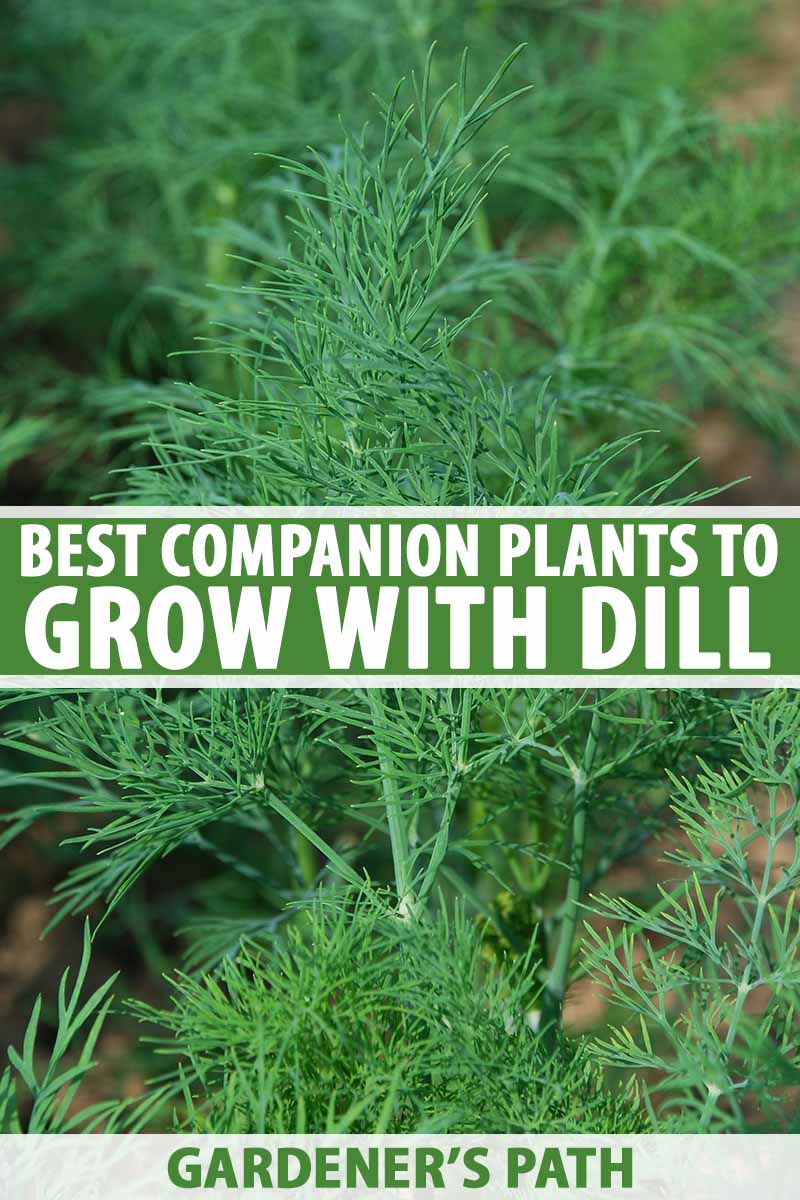
- Carrots and dill: Dill can stunt the growth of carrots.
- Fennel and lettuce: Fennel can release a chemical that can make lettuce taste bitter.
Post a Comment for " Plants You Should Never Plant Together"